Type Beat Guide 2026
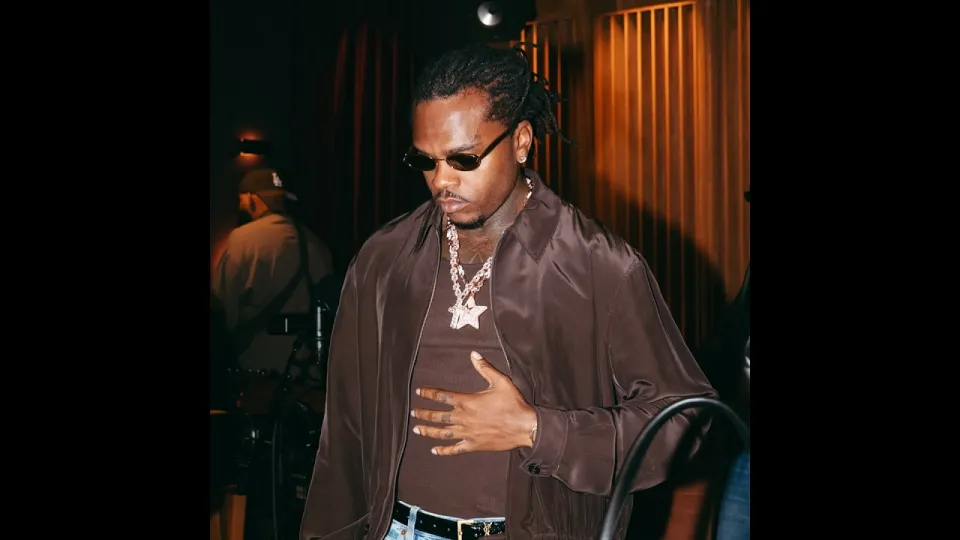
Video: [FREE] Gunna Type Beat - "Professional"
Need articles like this for your video? They help promote it on YouTube and Google — order them in the Telegram bot @sat_sit_bot. Articles with your video embedded are written and posted by the bot itself — on popular topical sites (no ads). Try it free: 50 articles on us.
· based on the channel MIG
Key takeaways
- "Professional" by producer MIG is a free Gunna type beat at 122 BPM in F# minor.
- The free download is licensed for non-profit use only and cannot be streamed on Spotify or Apple Music.
- An untagged paid version is available via the producer's BeatStars link.
- The beat leans on orchestral-style melodies, sliding 808s and busy hi-hat rolls.
- Adding three beats to the cart activates a discount on the paid license.
A type beat is an instrumental made in the style of a specific artist so that rappers and singers can write and record over a familiar sound without licensing an original major-label production. "Professional," a free Gunna type beat from the producer MIG, is built at 122 BPM in F# minor, and the untagged paid version is available through the producer's BeatStars checkout at https://bsta.rs/lKzH8q. The free download is licensed for non-profit purposes only, so it works for practice, demos and social media clips but not for paid releases.
What a type beat actually is and why Gunna's sound gets copied so often
A type beat is an original instrumental that imitates the sonic signature of a well-known artist without using any of that artist's actual recordings. Producers sell or give away these instrumentals under a license that spells out what the buyer can do with the finished song.
Gunna's catalog made his style one of the most requested templates in trap. The core ingredients are consistent: melodic, often minor-key loops, soft but wide pads or guitars, rolling 808 bass that carries the low end, and hi-hat patterns dense enough to double as percussion. That combination leaves a lot of open space in the midrange, which is why so many rappers can write to a Gunna type beat without fighting the instrumental for room.
MIG's "Professional" follows that template closely. The comment section under the upload keeps returning to the same details: the orchestral feel of the melody, the darkness of the chord progression, the crispness of the drums and the slides in the 808 line. Those are exactly the elements that define the modern Gunna and Young Thug-adjacent sound, so the reaction is a useful signal that the beat sits where it should.
The specs of "Professional": 122 BPM, F# minor, and what those numbers mean
Tempo and key are the two numbers a vocalist needs before writing, and "Professional" gives both openly: 122 BPM and F# minor.
- 122 BPM sits in the mid-tempo trap range. It is fast enough for double-time hi-hat runs and slow enough that a laid-back, melodic flow lands comfortably on top. If you write in half-time feel, the beat reads closer to 61 BPM, which suits long, drawn-out vocal phrases.
- F# minor is a dark, guitar-friendly key. Minor keys dominate melodic trap because they support melancholy melodies without sounding sad to the point of being unusable for street-oriented records.
- The arrangement leaves room for ad-libs and vocal stacks. Dense hi-hat rolls and sliding 808s occupy the rhythm section, while the melody stays in the upper register.
Knowing the key also helps if you plan to add live guitar, keys or a guest verse: anything written in F# minor or its relative major, A major, will sit in the same harmonic space.
Free versus untagged: what the license on this beat allows
The upload is labeled free, but free in the type beat world has a specific meaning, and reading the terms before you record saves trouble later.
- Free version, non-profit only. The producer states plainly that the beat is free for non-profit purposes only. Practice runs, unreleased demos, freestyle videos and non-monetized content are the intended use.
- No streaming services. The free version is explicitly not cleared for Spotify, Apple Music or similar platforms. Uploading a song built on the free file to a distributor can get the release taken down and may put a strike on your distributor account.
- Untagged paid version. The link in the description leads to the untagged file, which is the version you want for any release where money is involved, including monetized YouTube uploads and paid performances.
- Cart discount. Adding three beats to the cart activates a discount, which matters if you are shopping for a small catalog rather than a single instrumental.
A practical rule: if the song will ever earn a cent, or if you want the tag removed from the file, buy the license first. If you are only testing flows in a home setup, the free download is enough.
How to write and record over a Gunna type beat
Writing to a Gunna type beat is mostly about matching the pocket rather than filling every bar. The instrumentals are melodic, so the vocal has to be too.
- Loop the section you like and listen three times without writing. Note where the 808 slides land; those are natural places to stretch a syllable or pause.
- Start with a hook, not a verse. Melodic trap records live and die by the chorus. Hum a melody first, then fit words to it.
- Use the hi-hat grid as a rhythm map. Dense rolls suggest faster phrasing; sparse sections invite longer, held notes.
- Leave space for ad-libs. Record them on a separate track so you can mute them in the rough mix.
- Stack the hook. Two or three takes panned and leveled, with the main take centered, gives the width that Gunna-style records rely on.
Engineers working with this kind of beat usually keep the low end clean: high-pass the vocal around 80–100 Hz so it does not collide with the 808, and let the sliding bass own everything below that.
Common questions from producers and artists about type beats
The reaction to "Professional" surfaces a few recurring concerns that apply to almost any free type beat, not just this one.
Is the beat really free? Yes, for non-profit use. The catch is the streaming restriction, not a hidden fee. The producer is transparent about both in the description.
Can I upload the song to Spotify if I credit the producer? No. Credit does not replace a license. Streaming requires the paid untagged version and the terms that come with it.
Why do the drums and 808s get so much attention? Because in this subgenre they carry the record. Crisp drums and audible 808 slides are what make a beat feel expensive, and listeners notice immediately when they are missing or muddy.
Do I need to match the key when I add instruments? It helps. F# minor is the safe zone; a guitar part or synth pad outside that scale will clash with the melody loop even if the rhythm is right.
Where the Gunna and Young Thug sound is heading
The Gunna type beat format keeps absorbing outside influences, and the orchestral-leaning melodies heard in "Professional" are part of that shift. Producers are blending string and choir textures with trap drums, which pushes the sound toward something more cinematic while keeping the 122 BPM pocket that rappers are comfortable with.
That is also why the free type beat ecosystem matters for emerging artists. A producer uploads an instrumental, tags it, prices the untagged file low, and a rapper somewhere records a verse the same night. The pipeline from bedroom demo to a properly licensed release is short if the paperwork is handled correctly, and the discount structure on multi-beat carts makes it cheaper to license a small run of instrumentals instead of one at a time.
Final thoughts on "Professional" and the MIG catalog
"Professional" is a clean example of what a Gunna type beat should deliver in 2026: a dark F# minor melody, crisp drums, sliding 808s and a tempo that leaves room for melodic writing. The free file is genuinely useful for practice and non-monetized content, while the untagged version at https://bsta.rs/lKzH8q is the route to a release that can go on streaming platforms without risk. This breakdown was put together by the MIG channel, which is also where the beat itself lives. Check the license terms before you publish, and treat the free download as a demo tool rather than a release tool.
Questions & answers
Is the "Professional" Gunna type beat free to use?
It is free for non-profit purposes only. You can use it for practice, demos and non-monetized content, but not for paid releases or streaming platforms. The untagged paid version is available through the producer's BeatStars link.
Can I put a song using this free type beat on Spotify or Apple Music?
No. The producer explicitly states that the free version is not available for streaming services such as Spotify or Apple Music. Distributing it there can lead to takedowns, so you need the paid untagged license first.
What tempo and key is the beat in?
The beat runs at 122 BPM in F# minor. That tempo suits both double-time hi-hat phrasing and a slower, melodic half-time flow, and the minor key supports dark, guitar-friendly melodies.
Do I get a discount if I buy more than one beat?
Yes. Adding three beats to the cart activates a discount on the producer's store, which is useful if you want a small catalog of instrumentals rather than a single track.
Source: [FREE] Gunna Type Beat - "Professional" · Markdown version